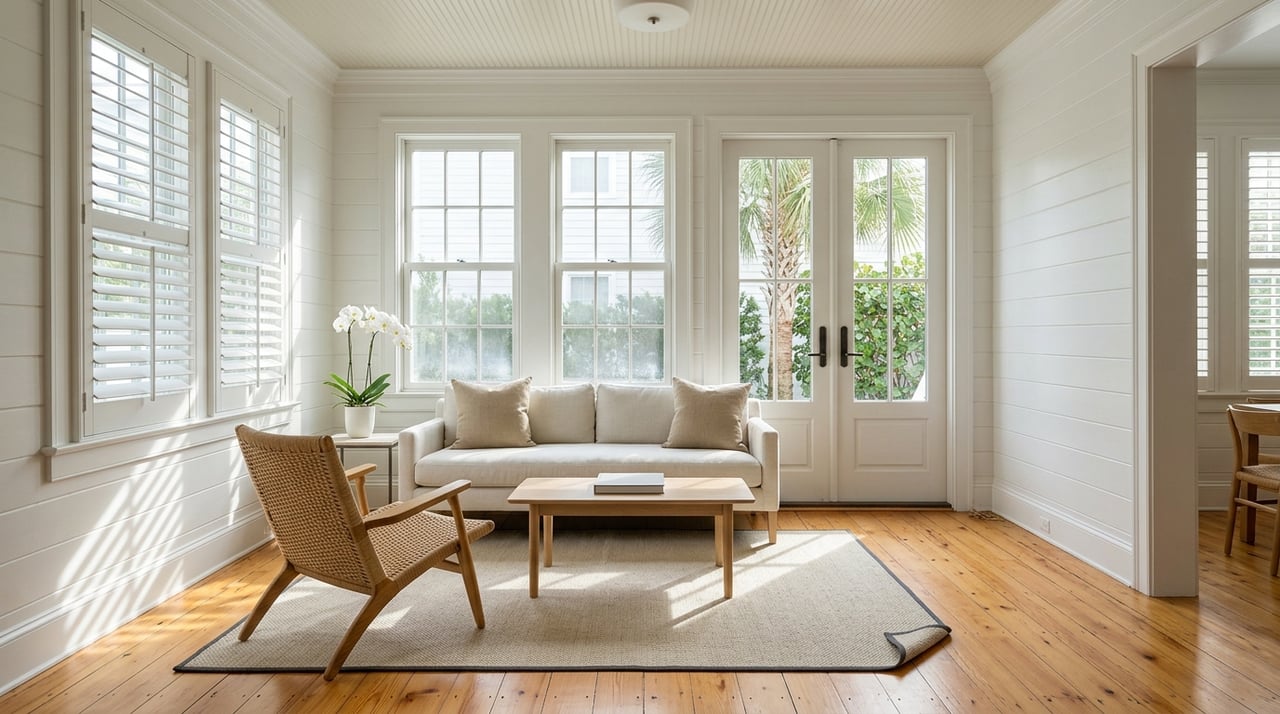
Selling A Home In Old Town Key West: Pricing And Prep Essentials
July 16, 2026
July 16, 2026
If you are selling a home in Old Town Key West, it is easy to assume the location alone will do the heavy lifting. Old Town does command premium prices, but today’s buyers are still careful, price aware, and willing to negotiate. If you want a strong result, you need the right mix of pricing discipline, smart prep, and local timing expectations. Let’s dive in.
Old Town sits in a premium slice of the Key West market. As of late spring 2026, Zillow shows a typical home value in Old Town of $1,269,853, with a median list price of $1,330,033 and limited inventory. That pricing stands above the broader Key West average home value of $1,028,281.
Still, a premium market is not the same as a rushed market. Sold-data sources suggest buyers are taking their time, with Homes.com reporting a median sale price of $1.45 million in Old Town and average days on market of 113, while Redfin shows Key West homes selling after 135 days on market with a 94.2% sale-to-list ratio. The clear takeaway is that buyers will pay for the right property, but they want the price to make sense.
It is tempting to look at active listings and aim high. The problem is that active prices show seller hopes, not closed buyer decisions. In a market where homes often sell below asking and time on market stretches into months, pricing from recent sold comps is a safer place to begin.
That means your home should be measured against recent closed sales first, then adjusted for factors that matter in Old Town. Condition, lot size, historic character, views, and flood readiness can all influence what a buyer is willing to pay. A polished pricing strategy should show why your home deserves its number.
In Old Town, buyers are rarely looking at square footage alone. They are often comparing architectural character, maintenance level, exterior presentation, and how much future work may be needed. That is especially true in a historic area where charm can increase value, but deferred maintenance can quickly raise concerns.
A home with authentic details, a cared-for exterior, and organized records can stand out. On the other hand, a home priced like a turnkey property but showing signs of wear may sit longer and invite deeper negotiation. In this market, pricing and prep work together.
Many sellers want to know how fast a home will move once it hits the market. In Key West, current market data points to a balanced or warm market rather than a fast seller’s market. Realtor.com reports a median of 99 days to sell, while Redfin shows homes going pending in around 148 days.
That matters because your real timeline starts before the listing goes live. You may need time for decluttering, repairs, photography, staging touches, showings, negotiations, inspections, and closing. In Old Town, exterior changes or repair work can also involve extra review steps if permits are required.
If your pre-listing plans include exterior work, do not assume you can complete it last minute. Key West code states that within historic preservation districts, applicants must comply with HARC design guidelines before a building permit is issued. That can affect both scheduling and project scope.
For sellers on a tighter timeline, this usually means focusing first on updates that improve buyer perception without triggering bigger approval issues. Cosmetic refreshes, maintenance, and presentation often deliver more value than a rushed project that gets stuck in review.
Preparing a home in Old Town is different from preparing a home in a newer neighborhood. Buyers are often drawn to the area because of its historic setting and distinctive architecture. Your goal is to help the home feel well cared for, functional, and true to its character.
That does not always mean doing more. In many cases, it means making thoughtful choices that support the home’s style and reduce buyer concerns.
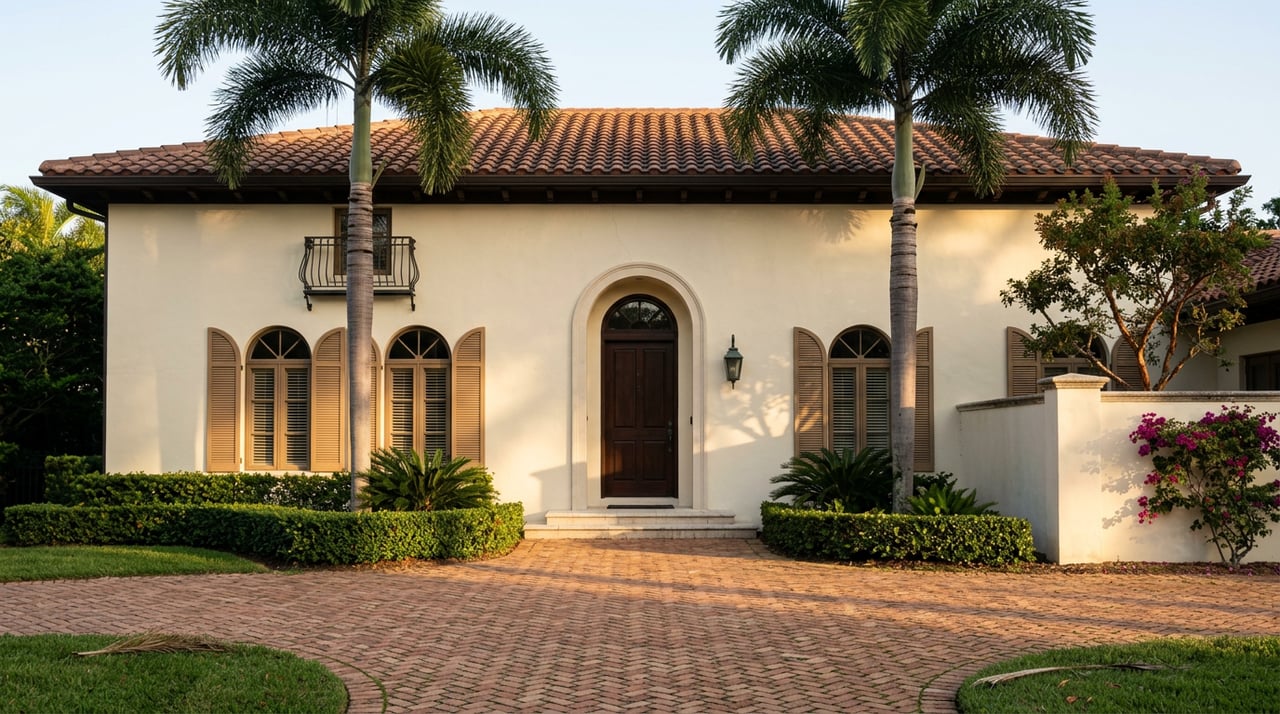
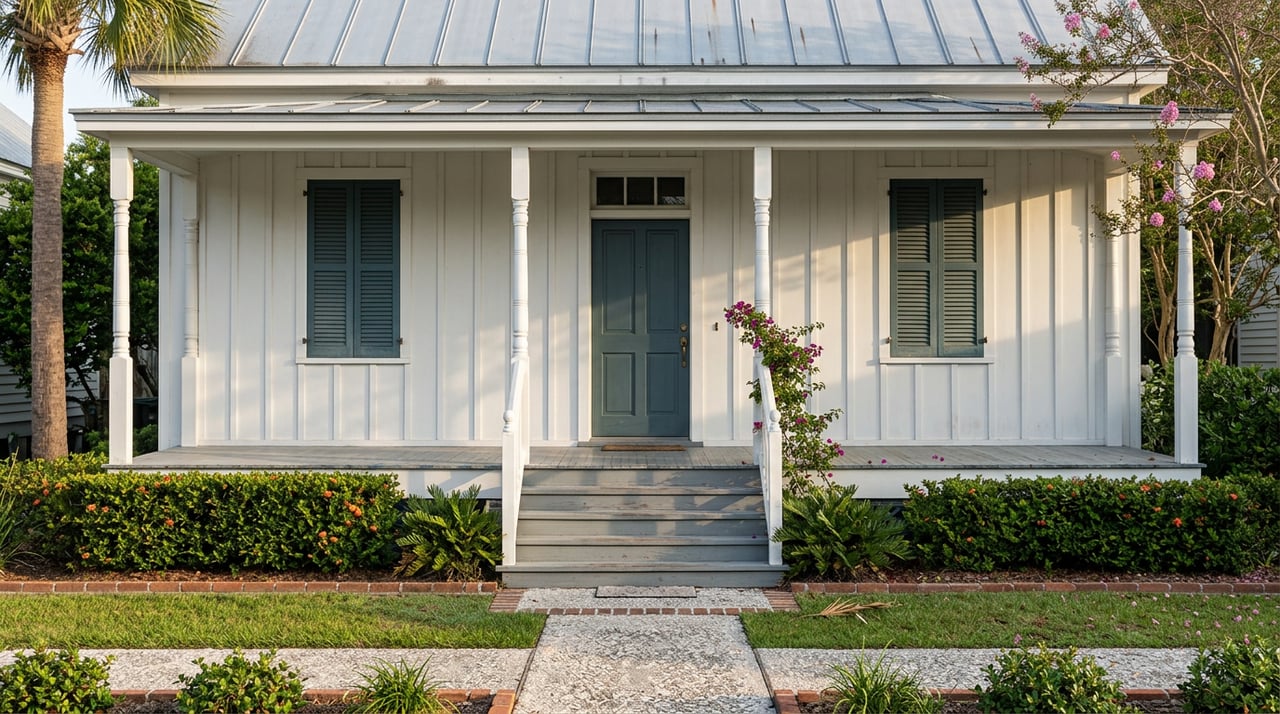
Original features can be a major asset in Old Town. City design guidance says original shutters should be retained and repaired whenever possible, and if replacement is needed, it should be in kind and sized to the window opening. For pre-1945 buildings, visible street- or lane-facing window replacements should match the period in design, configuration, materials, dimensions, and color, even when impact-resistant options are used.
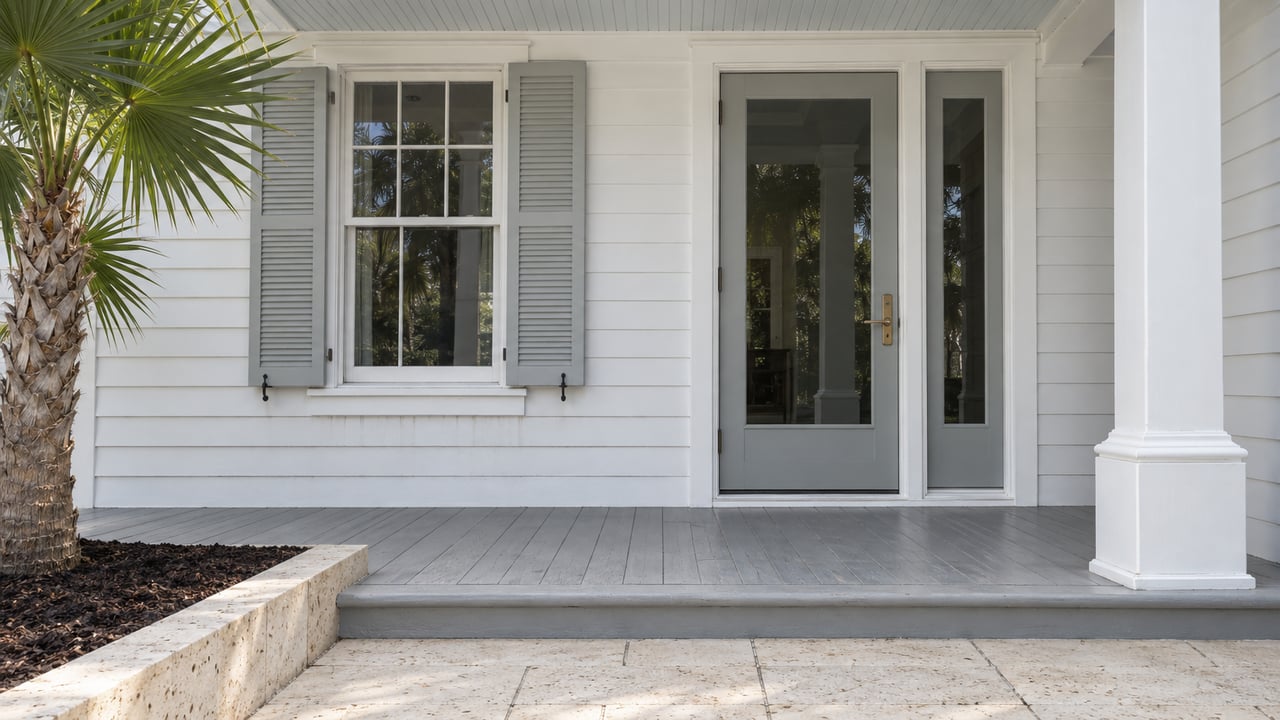
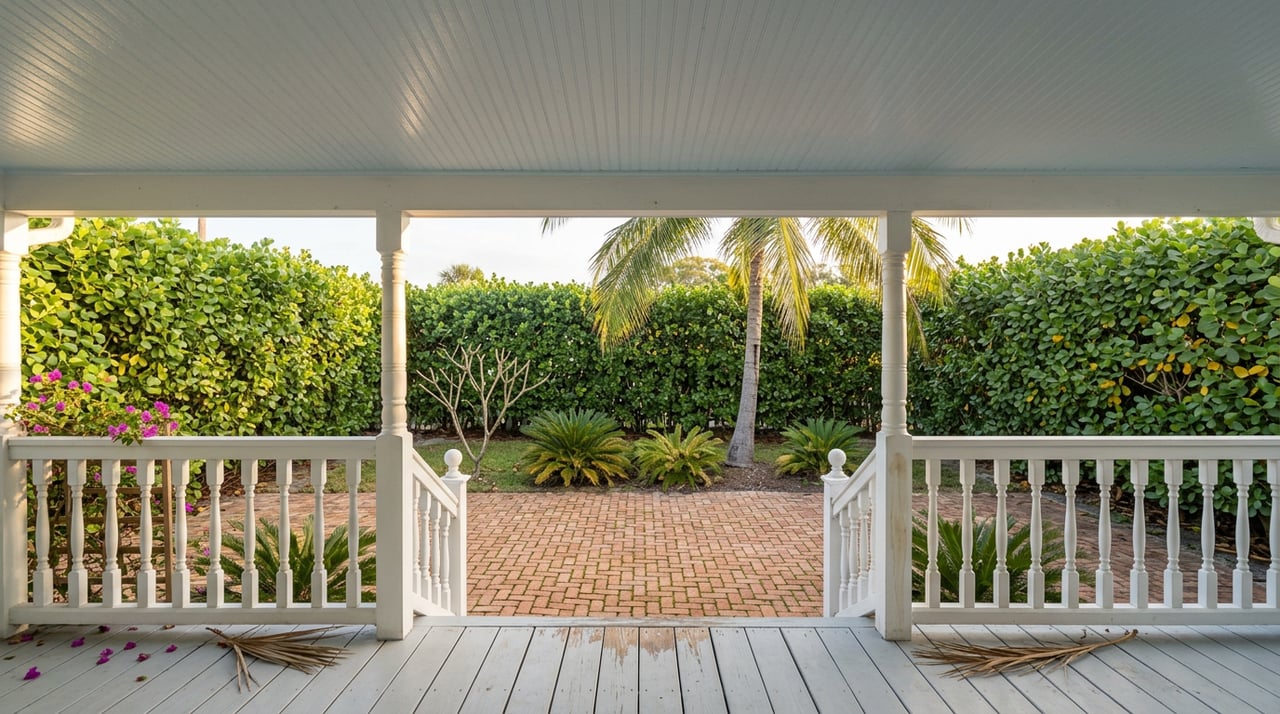
Porches also matter. For contributing buildings, porch reconstruction must duplicate the original entryway and remain compatible in design, scale, material, and color. If your porch is one of the home’s strongest visual features, giving it careful attention can improve first impressions.
Small exterior distractions can affect how buyers read a historic home. The city’s guidance notes that through-the-wall or window AC units are not appropriate on the front façade, and exterior HVAC units, dishes, and antennas should be placed out of public view where possible.
This does not mean every system has to be new. It does mean buyers tend to respond better when the front-facing presentation feels clean and intentional. In a neighborhood known for charm, curb appeal carries real weight.
If your prep includes paint work, approach it carefully. Key West’s historic design guidelines discourage sandblasting and high-pressure water blasting on historic structures. Hand scraping, sanding, and other low-impact methods are recommended instead.
That guidance matters for both preservation and perception. Buyers want to see a home that has been maintained with care, not treated in ways that may damage older materials.
Even simple front-yard updates have local boundaries. If your property has fencing in the front yard, city guidance sets a 4-foot maximum. That is a good reminder that curb appeal in Old Town is not just about taste. It also needs to work within local design expectations.
One of the smartest things you can do before listing is assemble your paperwork. In Old Town, document readiness can reduce delays, support your price, and give buyers more confidence during due diligence.
Key West participates in the National Flood Insurance Program, and the city notes that the island is subject to coastal flooding, shallow flooding, and storm surge. For older homes especially, buyers may want clarity on elevation, prior improvements, permits, and flood-related records.
If your home was built before 1975, the city says you may need an Elevation Certificate for insurance pricing. That certificate shows base flood elevation, first-floor elevation, and the elevation of machinery such as AC and electrical equipment.
This is one of the most useful documents to locate early. It can help answer buyer questions before they turn into delays or uncertainty.
The city’s substantial-improvement rule is a major issue for older Key West homes. According to the city’s FAQ, repairs, renovations, or additions totaling 50% of the building’s value over a one-year cumulative period can trigger that rule.
For sellers, this matters in two ways. First, buyers may ask about past work and whether thresholds were approached or crossed. Second, if you are considering major pre-listing improvements, you need to understand whether that work could create added requirements.
Historic homes are not all treated the same way. The city explains that historically contributing structures are exempt from some elevation requirements related to substantial improvement, although utilities and machinery still must be elevated. The city also distinguishes between ordinary historic buildings and historically contributing structures.
That distinction can be important when buyers are evaluating future renovation possibilities. If your home has documentation that clarifies its status, it is worth having that ready.
A strong seller packet may include:
Having these materials organized early can make your listing feel more credible and easier to evaluate. In a market where buyers have time to compare options, that kind of preparation can help your home stand apart.
If you want to sell efficiently, focus on the items that most affect value and buyer confidence. In Old Town, that usually means pricing from realistic comps, tightening curb appeal, preserving visible historic character, and organizing flood and permit records before the home goes live.
Avoid sinking time into rushed projects that may require permits, historic review, or extra documentation unless they clearly solve a major problem. Often, the best pre-listing strategy is the one that makes the home easier to understand, easier to insure, and easier for a buyer to say yes to.
Selling in Old Town is rarely about using a one-size-fits-all playbook. It takes neighborhood knowledge, pricing discipline, and a clear sense of which details matter most in this part of Key West. If you are preparing to sell and want guidance grounded in the local market, Bascom Grooms Real Estate can help you build a smart plan from day one.

Whether you are thinking of buying, selling, or investing in Florida Keys real estate, you can count on the experts at Bascom Grooms Real Estate. Contact us today to discuss all your real estate needs!