New Town Key West Prices Reflect Concrete, Not Charm
October 1, 2026
October 1, 2026
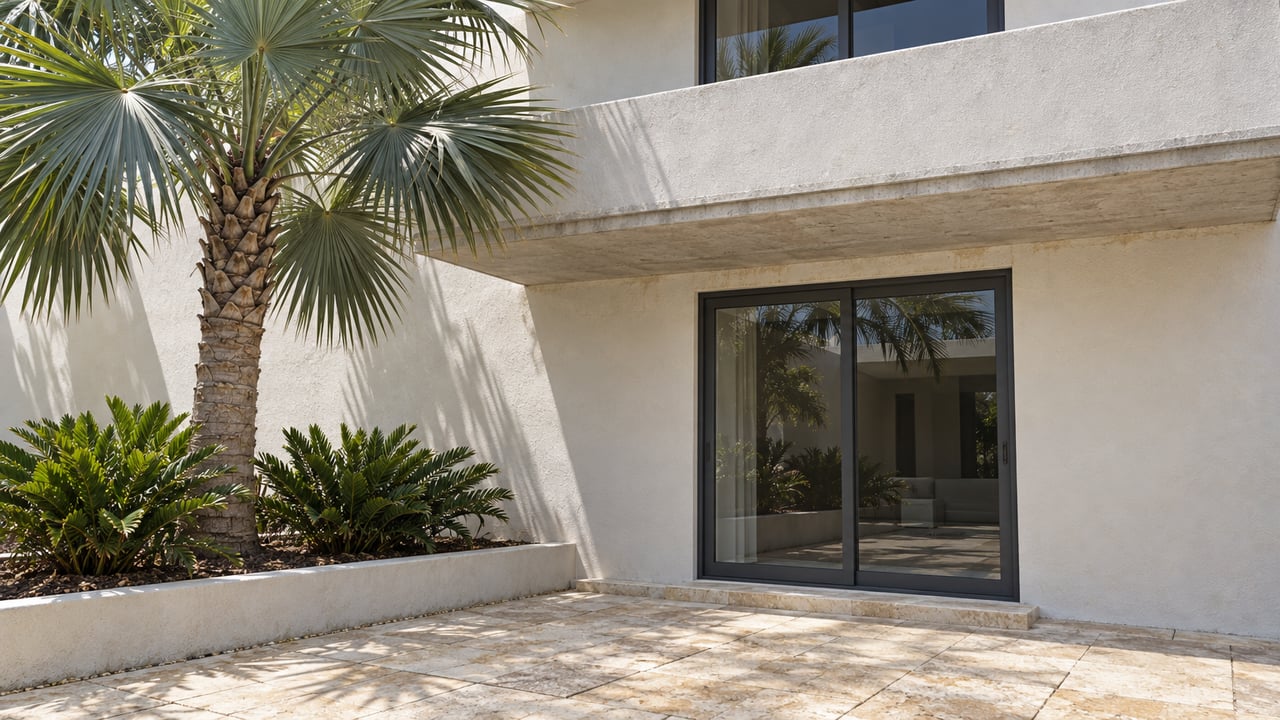
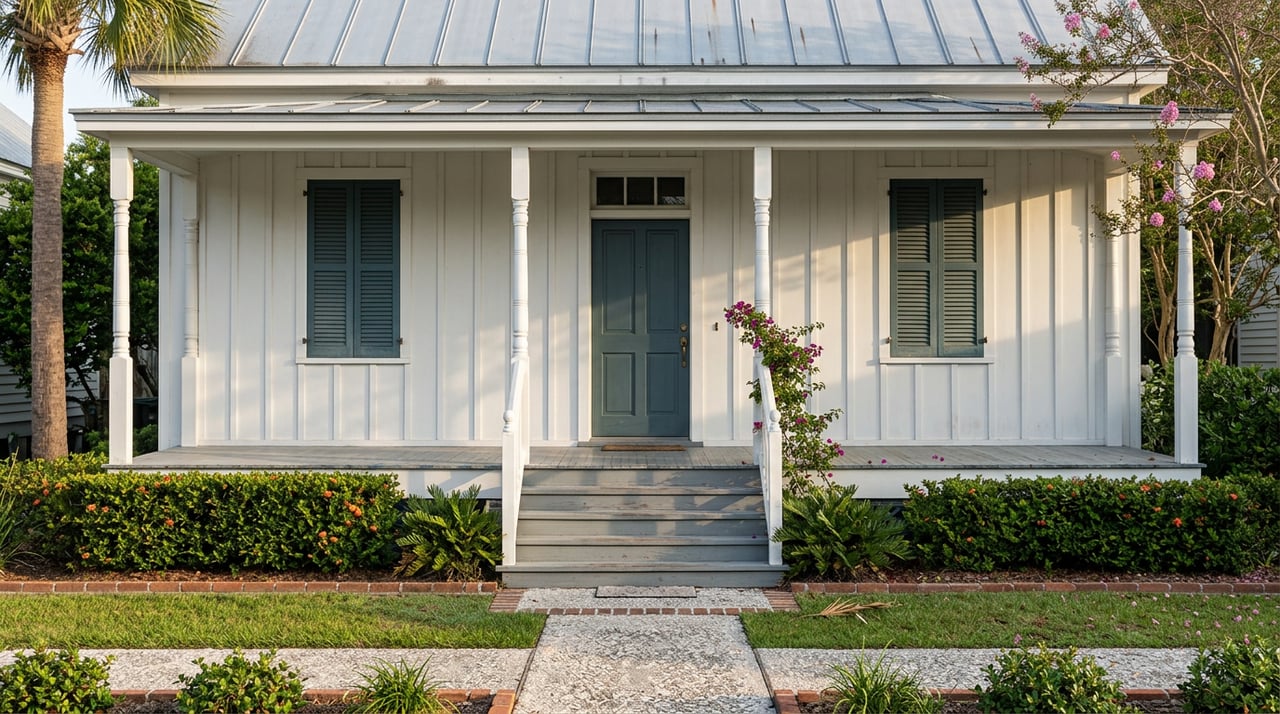
Stand in the parking lot at Las Salinas on South Roosevelt Boulevard and you're looking at a building that went up in 1991: poured concrete decks, exterior corridors, and recent unit listings that mention new impact-resistant windows and doors. Drive six minutes west into the Meadows and you're looking at a 1930s conch cottage on a raised platform, its roofline and window trim locked in place by a historic commission that reviews paint colors. Both are Key West. Both are minutes from Fausto's and the airport. The price gap between them isn't about which one feels more like a postcard. It's about which one is made of wood.
New Town condos carried a median sale price of $998,000 as of April 2026, with units trading anywhere from $345,000 to $1,125,000 and an average sale price of $979,678. Single-family homes in the neighborhood have generally clustered closer to $900,000, with appreciation running 5 to 7 percent a year over the past decade.
Compare that to Old Town, where townhomes carried a median list price of $1,695,000 in January 2026 and a trailing 12-month median sale price of $1,400,000, up 17 percent year over year. The Meadows, Key West's small historic pocket bordered by White Street and Truman Avenue, has priced even higher in places: single-family homes there posted a median sale price of $2,250,000 in July 2025, and a broader value snapshot dated March 2026 put the neighborhood's average home value above both Midtown and Old Town, trailing only Casa Marina.
Citywide, Key West's median sale price ran around $1.3 million over the three months ending June 2026, up 28 percent from the same period the year before. New Town sits well under that citywide number too. The commonly cited shorthand among local listing sources is that New Town runs 10 to 40 percent below Old Town and the Meadows depending on property type. That's a real gap, and it holds up across every snapshot in the data. What it doesn't explain is why.
Old Town and the Meadows sit inside the boundaries of Key West's Historic Architectural Review Commission, known locally as HARC. Homes there date back to the 1800s in some cases, and any exterior change, a new roof, replacement siding, a different shutter style, requires a Certificate of Appropriateness before work begins. That process exists to protect the wooden conch architecture that makes those streets recognizable, and it does its job. It also means a homeowner who wants to install modern impact windows has to source products that match historic profiles, which costs more and takes longer than an off-the-shelf swap.
New Town was largely built out after that historic boundary was drawn, in concrete block and poured-concrete mid-rise construction rather than wood frame. Las Salinas, built in 1991, is one example. Seaside Residences is another: a recent listing there specifically flags its concrete construction paired with impact-rated windows and doors as a selling point, the kind of detail that reads as routine in New Town and would require a preservation review two miles away. Multiple other New Town condo listings mention new impact windows, new electrical panels, and new HVAC systems installed as straightforward upgrades, not historic-compliance projects.
That's the actual mechanism behind the price gap. It isn't that New Town is less desirable. It's that the two neighborhoods are built to different standards, from different eras, under different rules, and buyers are pricing that difference correctly.
Concrete and CBS construction with documented impact-rated openings and current roof systems tend to qualify more easily for Florida's wind mitigation insurance credits, since the inspection process rewards features insurers can verify: hip roofs, secondary water barriers, impact glass, reinforced garage doors. A historic wood-frame cottage can still earn those credits, but retrofitting it often means special-order materials and a HARC application first, which adds cost and time before the insurance conversation even starts.
New Town's condo stock also comes with amenities that a single-lot cottage physically can't offer. Las Salinas has a pool, a fitness center, and covered parking, rare in a city where off-street parking of any kind is a premium. Seaside Residences lists private garages. Several buildings in the neighborhood, including Santa Clara and Salt Ponds, sit within walking distance of the Overseas Market Shopping Plaza on North Roosevelt Boulevard, anchored by a Winn-Dixie grocery store, a Five Guys, and a CVS, the kind of everyday retail cluster that Old Town's boutique-and-restaurant-driven commercial strip doesn't really have room for. That plaza has been recognized under the city's own Keep Key West Beautiful program, which is a small but real signal that it functions as an established, maintained piece of the neighborhood rather than an afterthought strip mall.
A short list of what's actually in the New Town condo mix:
None of that is a downgrade from Old Town's charm. It's a different value proposition built into a different type of structure.
The premium on the historic side of White Street isn't purely sentimental either. Renovated cottages in Key West's historic core can command real rental income, with a two-bedroom property reportedly pulling $10,000 to $12,000 a month in high season, and larger renovated homes going considerably higher. Historic Old Town condos have also traded above $1,000 per square foot in some cases, a figure that only makes sense against strong transient rental income, since the buildings themselves are often small converted structures rather than large modern floor plans.
That's the other half of the mechanism. Old Town and the Meadows aren't just protected by regulation, they're scarce in a way concrete construction can't replicate. Nobody is building new 1930s conch cottages. Every renovated one that exists is a fixed, non-renewable piece of inventory, and buyers pricing that scarcity are behaving rationally, not sentimentally.
New Town's locals-heavy occupancy pattern, described by area listing data as making rental income "very predictable and less subject to fluctuations" than seasonal historic-district rentals, reflects the same logic from the other direction. It's a neighborhood built for owner-occupancy and steady long-term tenancy, not for chasing peak-season nightly rates, and its price reflects that role.
Does concrete construction actually lower insurance costs in New Town? It can, when the building has documented wind mitigation features like impact-rated openings, a compliant roof system, and reinforced garage doors, since those are exactly what Florida's wind mitigation inspection rewards. The advantage isn't automatic. It comes from how easily those upgrades can be verified and installed, which tends to be simpler in concrete construction outside a historic overlay than in a wood-frame home bound by HARC review.
Is all of New Town outside HARC's historic district? Generally yes, since the Old Town Historic District's boundary doesn't extend into New Town. That said, any specific parcel's zoning and historic designation should be confirmed individually before assuming it, since boundaries and designations can vary block to block in Key West.
Is New Town a strong fit for short-term vacation rental income? It can work, but the neighborhood's character leans toward long-term, locals-driven occupancy rather than the transient-license, high-turnover model that drives Old Town's rental economics. Buyers specifically chasing peak-season nightly income tend to find stronger numbers in the historic core, where scarcity and location support higher nightly rates.
Comparing New Town to Old Town or the Meadows on price alone misses what's actually being sold. One side of White Street is priced for irreplaceable wood-frame scarcity and transient rental income. The other is priced for concrete, impact glass, covered parking, and a grocery store within walking distance. Knowing which one you're actually buying changes how you should evaluate the number on the listing.
If you're weighing a New Town condo against something in Old Town or the Meadows and want a clearer read on what the construction type means for your insurance quote or your renovation plans, Bascom Grooms Real Estate has spent more than 25 years walking Key West buyers through exactly that comparison, block by block.


Thank you, Key West!
Whether you are thinking of buying, selling, or investing in Florida Keys real estate, you can count on the experts at Bascom Grooms Real Estate. Contact us today to discuss all your real estate needs!