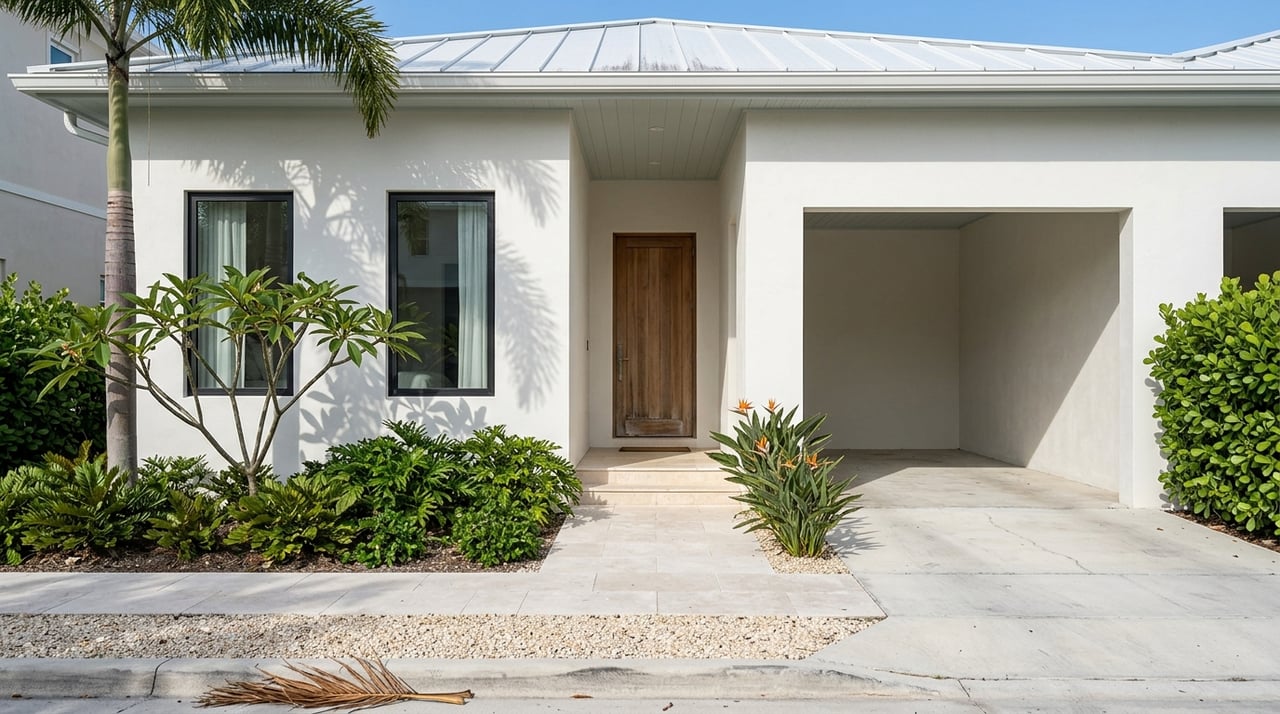
New Town vs Old Town: Choosing Your Key West Home Base
June 18, 2026
June 18, 2026
If you are torn between Old Town charm and New Town convenience, you are not alone. Many Key West buyers love the idea of living close to island history and walkable streets, but they also want a home that fits their budget and day-to-day routine. The good news is that each side of Key West offers a very different kind of home base, and understanding those differences can make your search much easier. Let’s dive in.
In simple terms, Old Town is the western historic core of Key West, and New Town is the area east of 1st Street. According to city planning documents, Old Town developed on higher western land with a traditional street grid and smaller lanes, while New Town is relatively flat and newer in character.
That split shapes almost everything about the buying experience. Old Town tends to feel older, denser, and more character-filled, while New Town usually offers a more conventional layout and easier daily ownership. If you are choosing between the two, you are really choosing between two different ways of living in Key West.
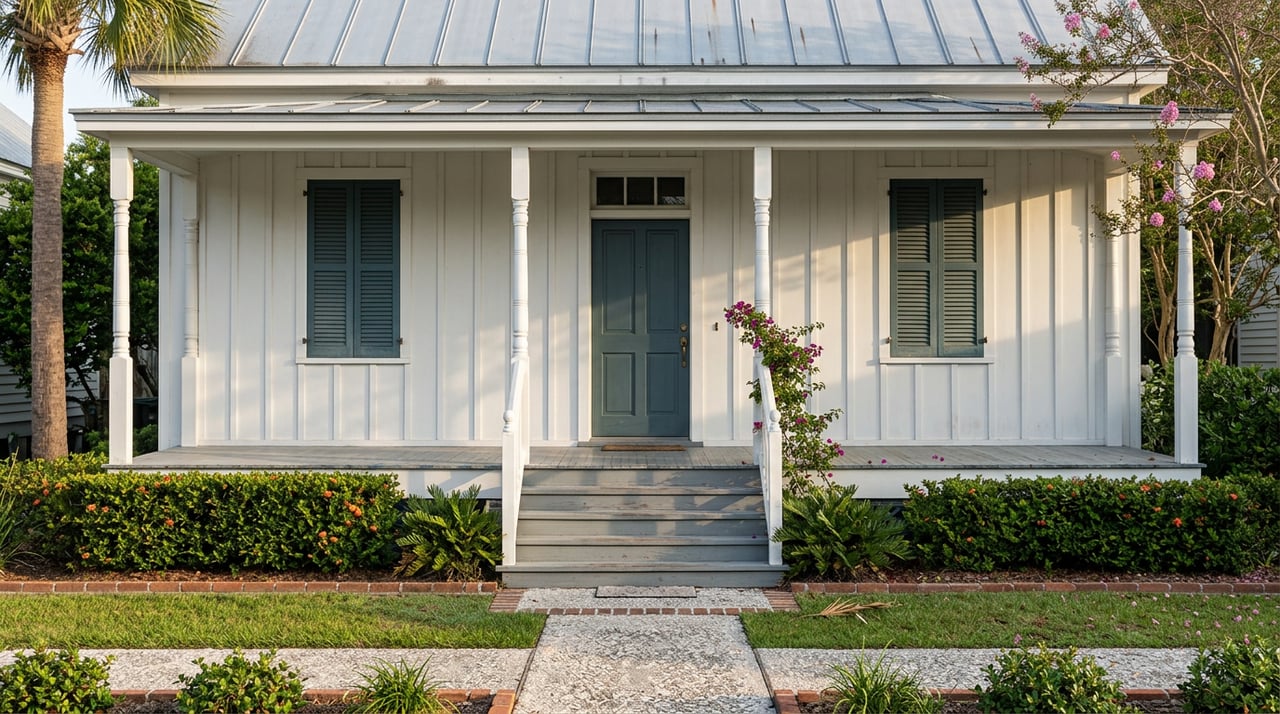
Old Town is the part of Key West many people picture first. The city describes it as an area of small lanes, slow-traffic streets, small-scale houses, and mixed-use corridors. It is also home to one of the country’s largest collections of historic wooden structures, which gives the neighborhood its signature look and feel.
For many buyers, that atmosphere is the main draw. You are not just buying square footage in Old Town. You are buying into a setting that feels distinctly Key West, with older architecture, walkable streets, and a stronger sense of place.
Old Town includes several classic local house types identified in the city’s architectural guidelines, such as:
These homes are often compact, porch-oriented, and wood-clad. The eyebrow house is especially notable because the city describes it as a style unique to Key West.
Current inventory also shows that Old Town can include both smaller condos and larger homes. Active listings cited in the research range from about 468 square feet to nearly 3,000 square feet, with asking prices from roughly $735,000 to $4.45 million.
If you want a car-light lifestyle, Old Town has the edge. The city notes that Key West Bight Marina is a short walk from Duval Street, Mallory Square, and the rest of Old Town, and the historic street pattern supports pedestrian access.
That can make a big difference in how you experience daily life. If your ideal Key West day includes walking to dining, the waterfront, or local destinations instead of driving everywhere, Old Town may feel like the better fit.
Old Town’s charm comes with practical tradeoffs. Parking is often the biggest one. The city’s residential permit program allows resident parking in designated spaces in the historic district, the 2025 to 2026 permit cost is $39.13 per year, and vehicles parked on the street must be moved every 72 hours.
Historic ownership can also mean more review before exterior changes. The city says a Certificate of Appropriateness may be required for new structures and many exterior changes, including fences, decks, signs, landscaping, and demolition. Larger or noncompliant projects may go through HARC review.
New Town tends to attract buyers who want more day-to-day convenience and a wider range of price points. It is less about historic atmosphere and more about practical livability. For many people, that can be a very smart trade.
The housing mix in New Town is also broader in a more modern sense. Research shows current listings include single-family homes, townhouses, condos, multi-family options, lot listings, and some new construction.
New Town inventory spans a wide range. Current examples in the research include everything from a $169,000 lot to a $1.95 million new-construction home, with many houses and townhomes between about $569,900 and $1.69 million.
Listing descriptions also point to a more contemporary mix, including renovated mid-century modern homes, elevated townhouses, and pool homes. If you prefer a more familiar floor plan or want more renovation flexibility, New Town may offer more options that fit your goals.
New Town stands out for everyday services and errands. The research places several practical destinations there or nearby, including Publix at 1112 Key Plaza, Lower Keys Medical Center at 5900 College Road, Key West High School at 2100 Flagler Avenue, Poinciana Elementary at 1407 Kennedy Drive, Horace O’Bryant School at 1105 Leon Street, and City Hall at 1300 White Street.
That service concentration matters if you expect to drive regularly and want routine stops to feel simple. Grocery runs, medical appointments, school drop-offs, and civic errands may all be easier to manage from a New Town home base.
One of New Town’s biggest practical advantages is that ownership is often more straightforward. Compared with Old Town, buyers usually face fewer preservation-related constraints when planning updates or exterior changes.
That does not mean every property is the same, but it does mean New Town is often easier for buyers who want fewer approval steps and more flexibility over time. If you want a home that feels simpler to maintain, renovate, or adapt, this can be a major plus.
Pricing is one of the clearest differences between these two areas. Zillow’s neighborhood home value data in the research puts Old Town at $1,269,853 and New Town at $815,044 as of late spring 2026. These are directional value estimates rather than closed-sale medians, but they still show a meaningful gap.
The median list price snapshot points the same way, with Old Town at $1,330,033 and New Town at $915,000. In short, Old Town is usually the more expensive choice, though there can be some overlap between smaller Old Town condos and higher-end New Town properties.
Here is the simplest takeaway: if your budget is tight, New Town may open more doors. If your priority is historic setting and walkability, Old Town may justify the premium.
Transportation in Key West has changed in 2026. The city says the Duval Loop was suspended beginning January 1, 2026, and existing bus-stop locations continue to be served by Key West Rides On-Demand.
That shift makes your home base even more important. If you want to rely less on a car, Old Town’s walkability may matter more. If you are comfortable driving for errands and services, New Town may feel more convenient overall.
The right choice depends on how you want to live. Neither neighborhood is better for everyone. The best fit comes down to what matters most to you after move-in day.
If you are still unsure, try comparing your must-haves against your nice-to-haves. Ask yourself whether you care more about walking and historic atmosphere or about budget, parking, and everyday convenience. That simple exercise often makes the choice clearer.
It also helps to view both areas through the lens of real ownership, not just first impressions. A charming Old Town cottage may be perfect if you embrace the tradeoffs. A well-located New Town home may be the stronger long-term fit if practical ease matters more to you.
Because Key West is such a neighborhood-driven market, local guidance can save you time and help you avoid buying for the wrong reasons. The right home base is the one that supports how you actually plan to live on the island.
If you are weighing Old Town against New Town and want local insight tailored to your budget and goals, Bascom Grooms Real Estate can help you compare options with the kind of neighborhood knowledge that only comes from years of serving Key West and the Lower Florida Keys.

Whether you are thinking of buying, selling, or investing in Florida Keys real estate, you can count on the experts at Bascom Grooms Real Estate. Contact us today to discuss all your real estate needs!